Work & Livelihood
The Pottery
The wheel spins, and the earth rises — shaped into form by patience, skill, and generations of knowledge
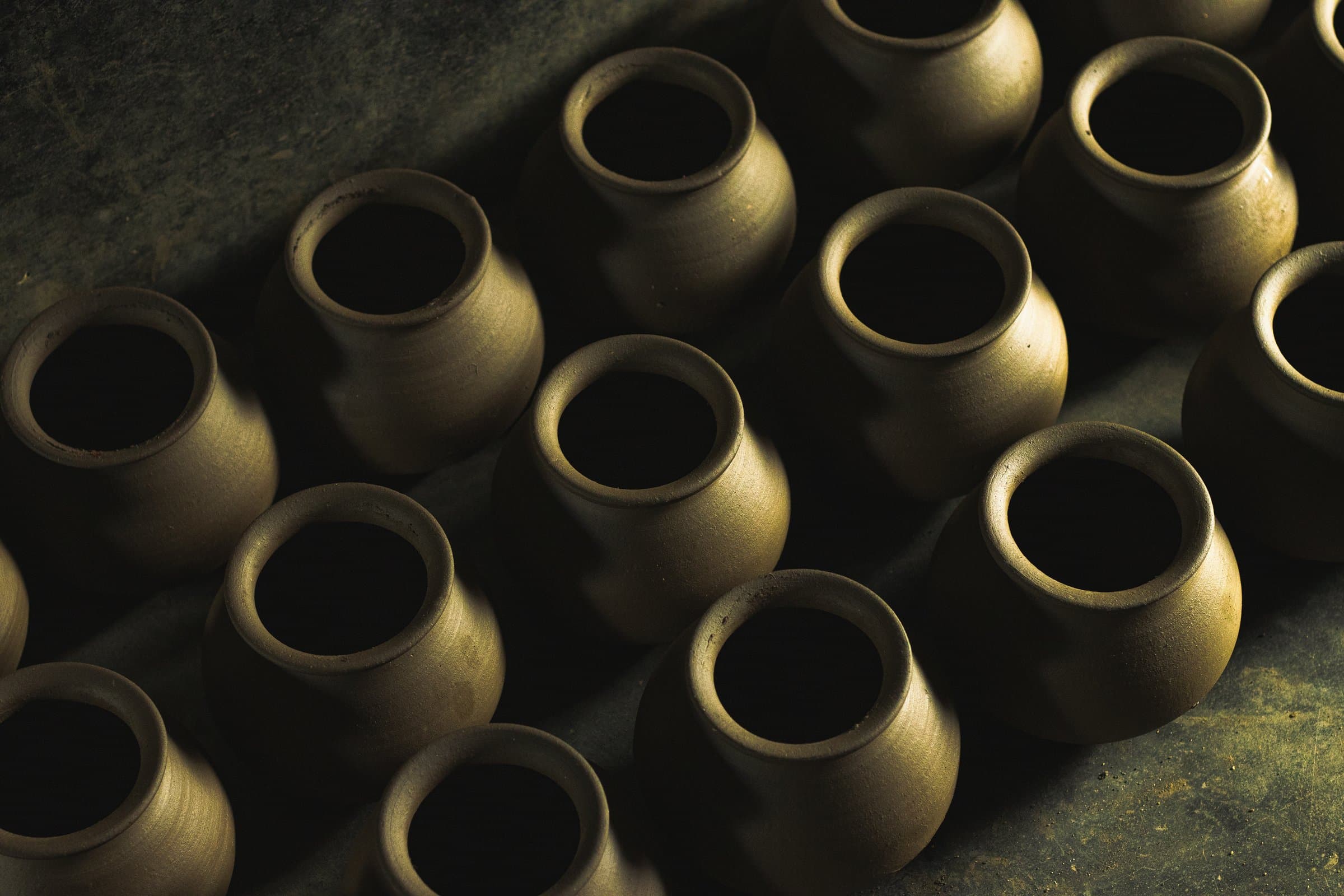
In many Indian villages, the day begins with the quiet rhythm of the potter’s wheel. A mound of damp clay rests in patient hands, drawn from the same earth that feeds the fields around it. As the wheel turns, the clay slowly rises and opens, guided by fingers that have learned this craft from fathers, mothers, and grandparents before them.
The work is simple yet sacred. Water is sprinkled, palms steady the form, and the spinning earth becomes a pot, a lamp, or a vessel for grain. These are not merely objects, but companions of daily life — holding water through summer heat, lighting homes during festivals, and resting in kitchens where generations gather.
When the pots are finally fired and left to cool in the sun, they carry more than shape and strength. Each one holds the quiet memory of the hands that shaped it and the land it came from. In every curve of clay lives a story of patience, heritage, and the timeless bond between people and the soil beneath their feet.